
Coverage
Pollution Liability
Contractors pollution liability for spills, runoff, and contamination claims.
What is contractors pollution liability?
US Contractor Insure connects business owners with Provident Financial Group for insurance guidance tailored to your trade and projects. Explore our coverage guide and insurance FAQs. Contractors pollution liability can address certain pollution-related claims arising from covered operations. Review insured pollutants, activities, cleanup costs, third-party injury or property damage, and exclusions. Mold and other specific exposures may require particular terms or endorsements.
Here’s the gap it fills: standard general liability policies broadly exclude pollution. A hydraulic line rupture that contaminates soil, or excavation that disturbs buried contamination, can leave an uninsured contractor facing cleanup orders alone. CPL closes that gap.
What it covers
- Cleanup costs — government-mandated and third-party cleanup of pollution conditions your work causes.
- Third-party bodily injury — illness or injury claims from exposure to pollutants your operations released.
- Third-party property damage — contamination of neighboring soil, water, and property.
- Transportation pollution — spills while hauling fuel, waste, or materials.
- Legal defense — defense costs for covered pollution claims.
Who needs it
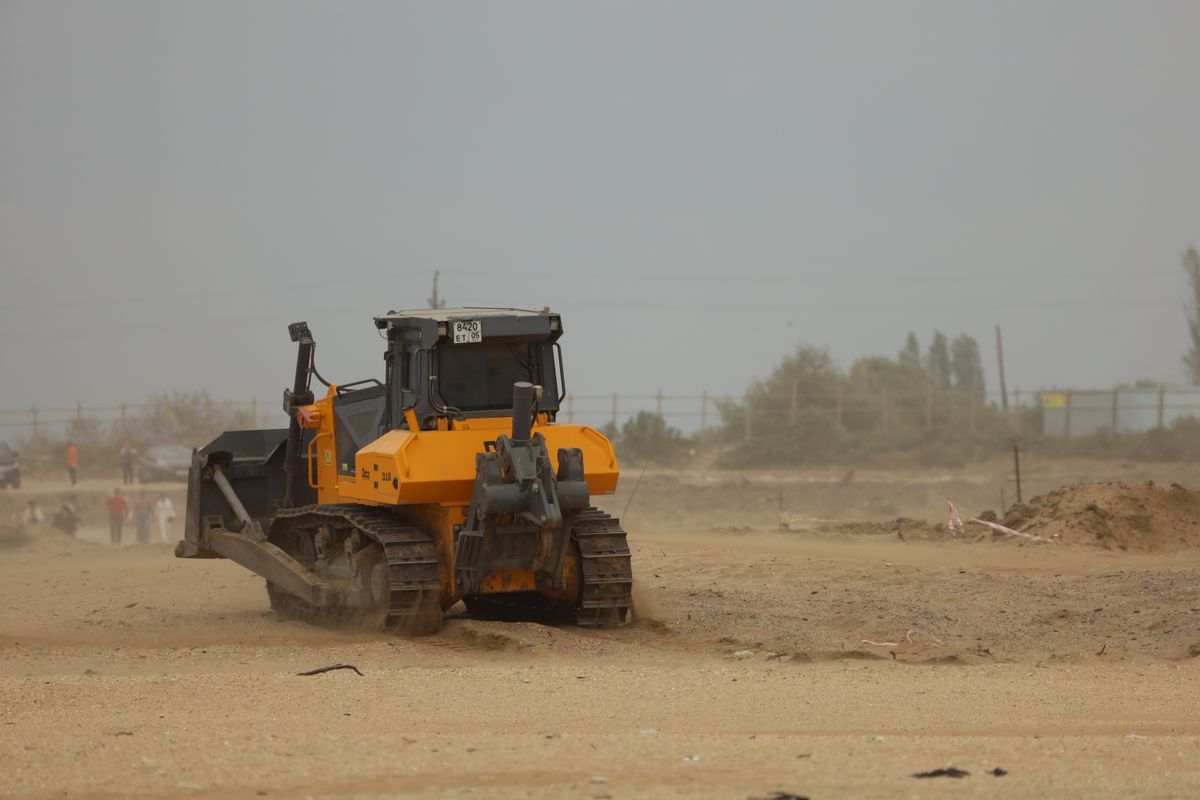
Excavation and earthwork contractors top the list — fuel, disturbed soil, and stormwater runoff are daily exposures. It also matters for HVAC contractors handling refrigerants and fuel-burning systems, plumbers working with sewage and fuel lines, and painters using solvents and coatings. Many public and commercial contracts now require CPL.
How much does pollution liability cost?
Premiums depend on your operations, revenue, and limits — for most trades it’s a modest addition compared to the cleanup costs it covers. We compare carriers that write contractor pollution programs. Get quotes here.
Frequently asked questions
Doesn’t my general liability cover spills?
Standard GL policies contain broad pollution exclusions. Even a simple fuel spill during refueling can be denied under GL — that’s exactly what CPL exists to cover.
Is pollution coverage required on public projects?
Increasingly, yes — DOT, municipal, and environmental-adjacent contracts commonly require contractors pollution liability with specific limits.
Does it cover mold claims?
Many CPL policies can include microbial matter (mold) coverage arising from your work — important for plumbing, HVAC, and building envelope trades.
Ready to protect your business?
Discuss your trade and project requirements with our contractor insurance team.